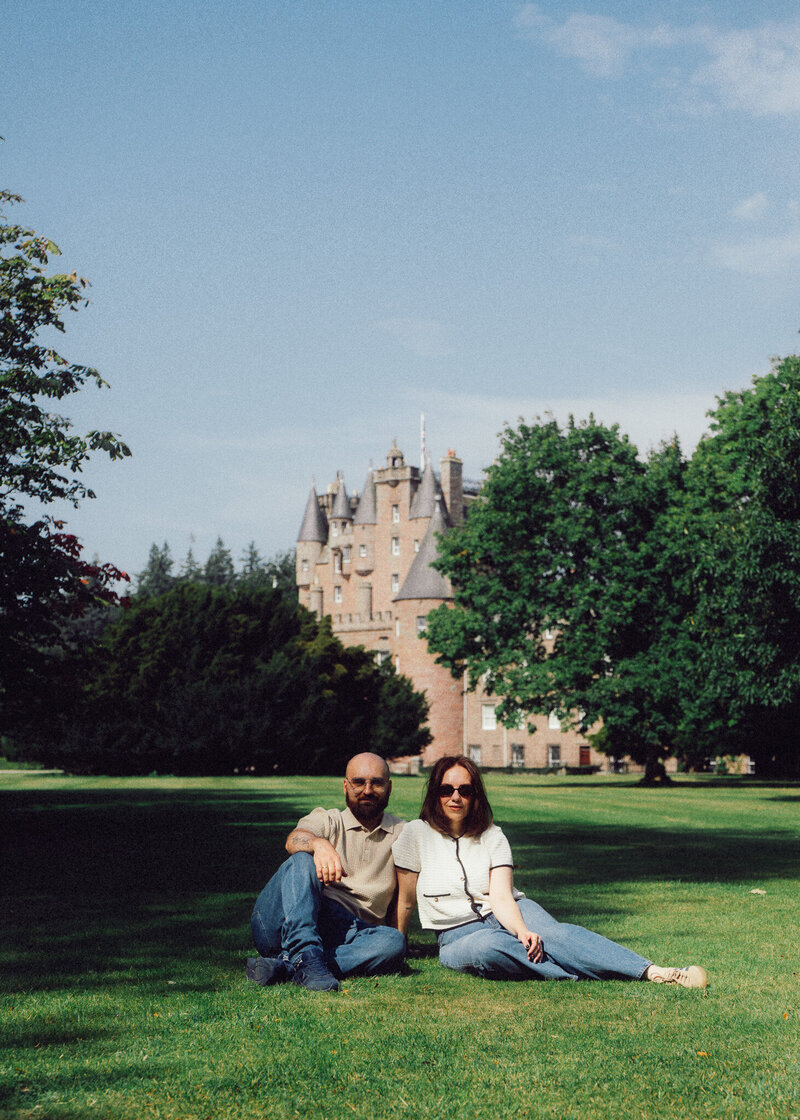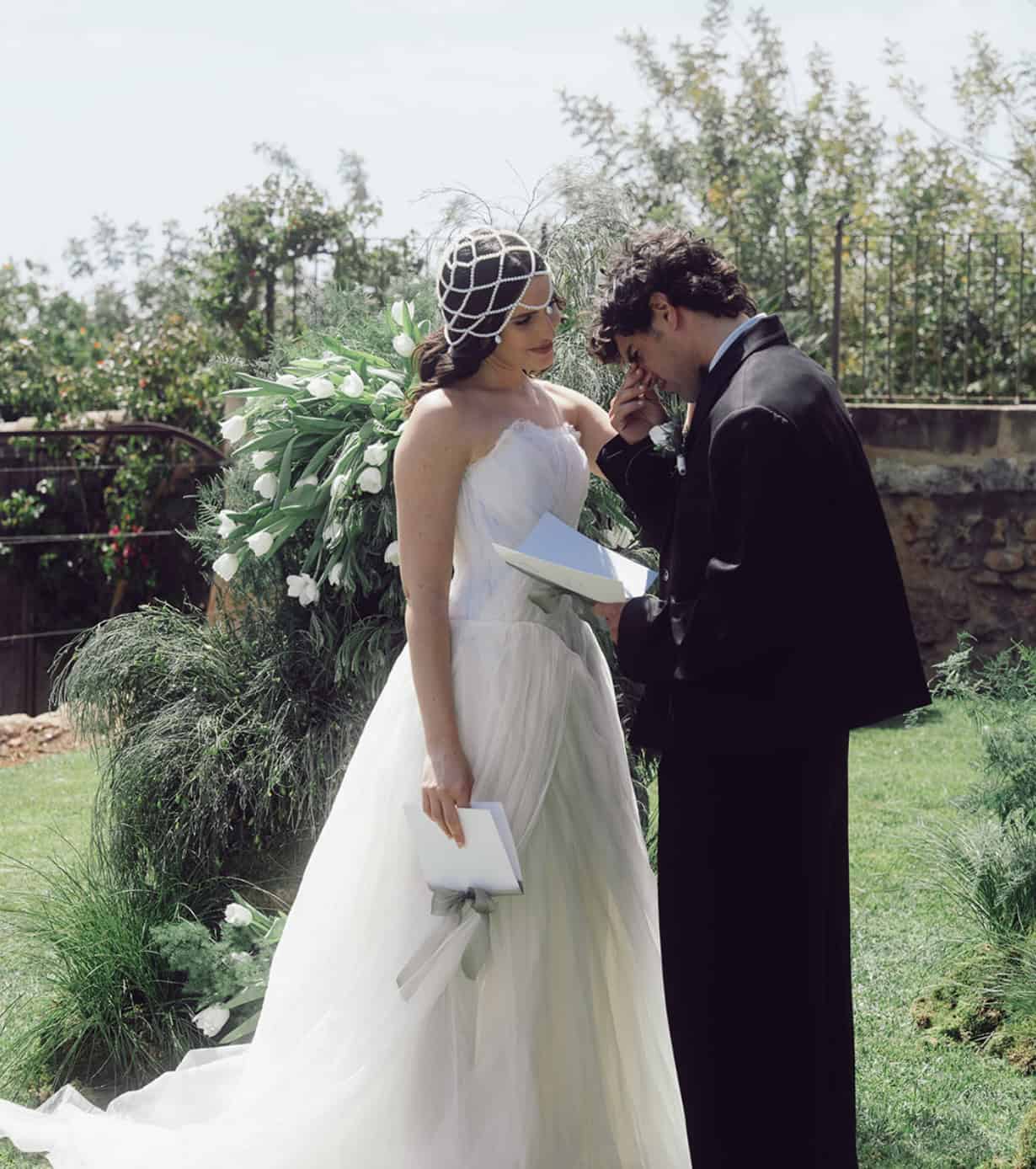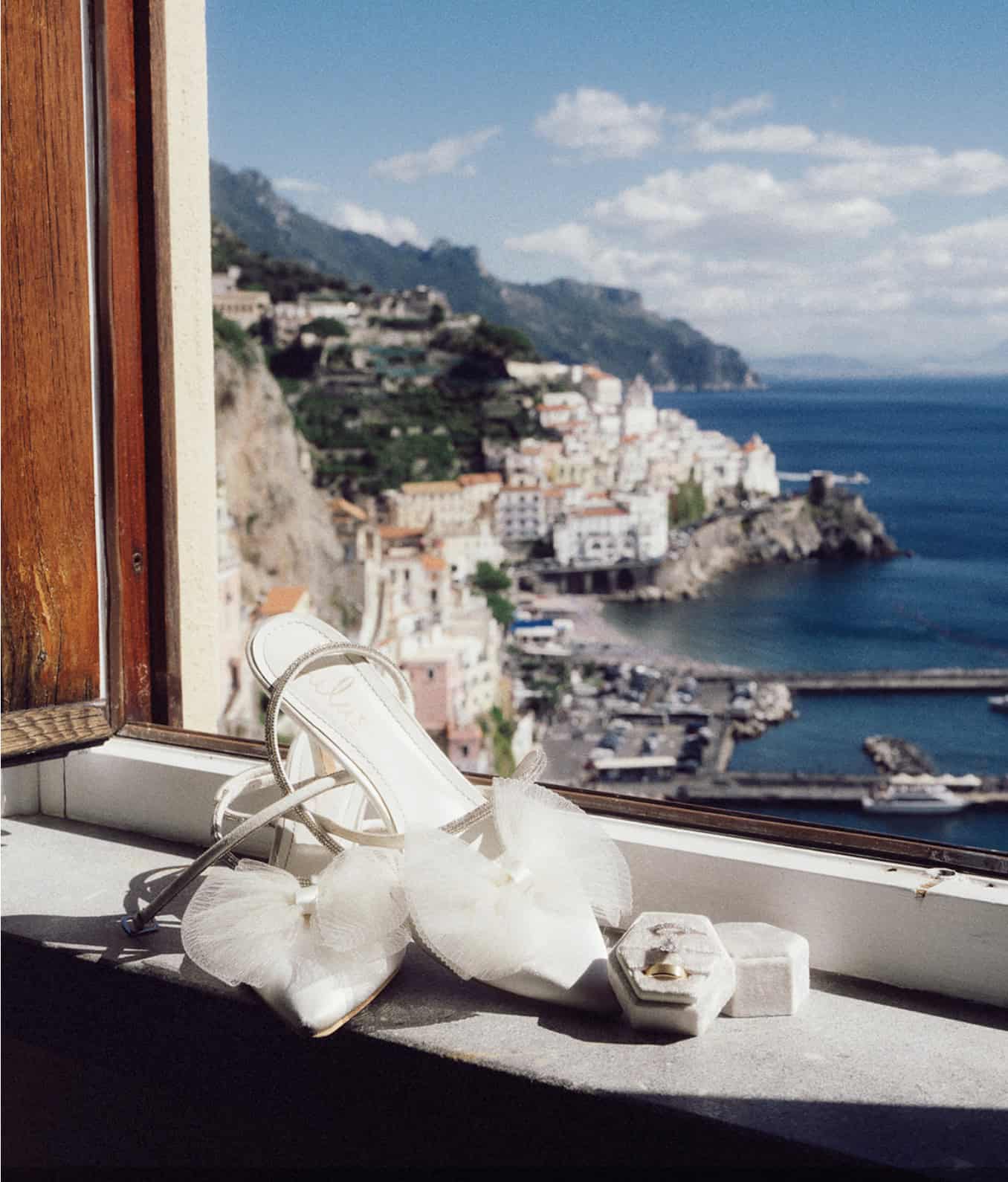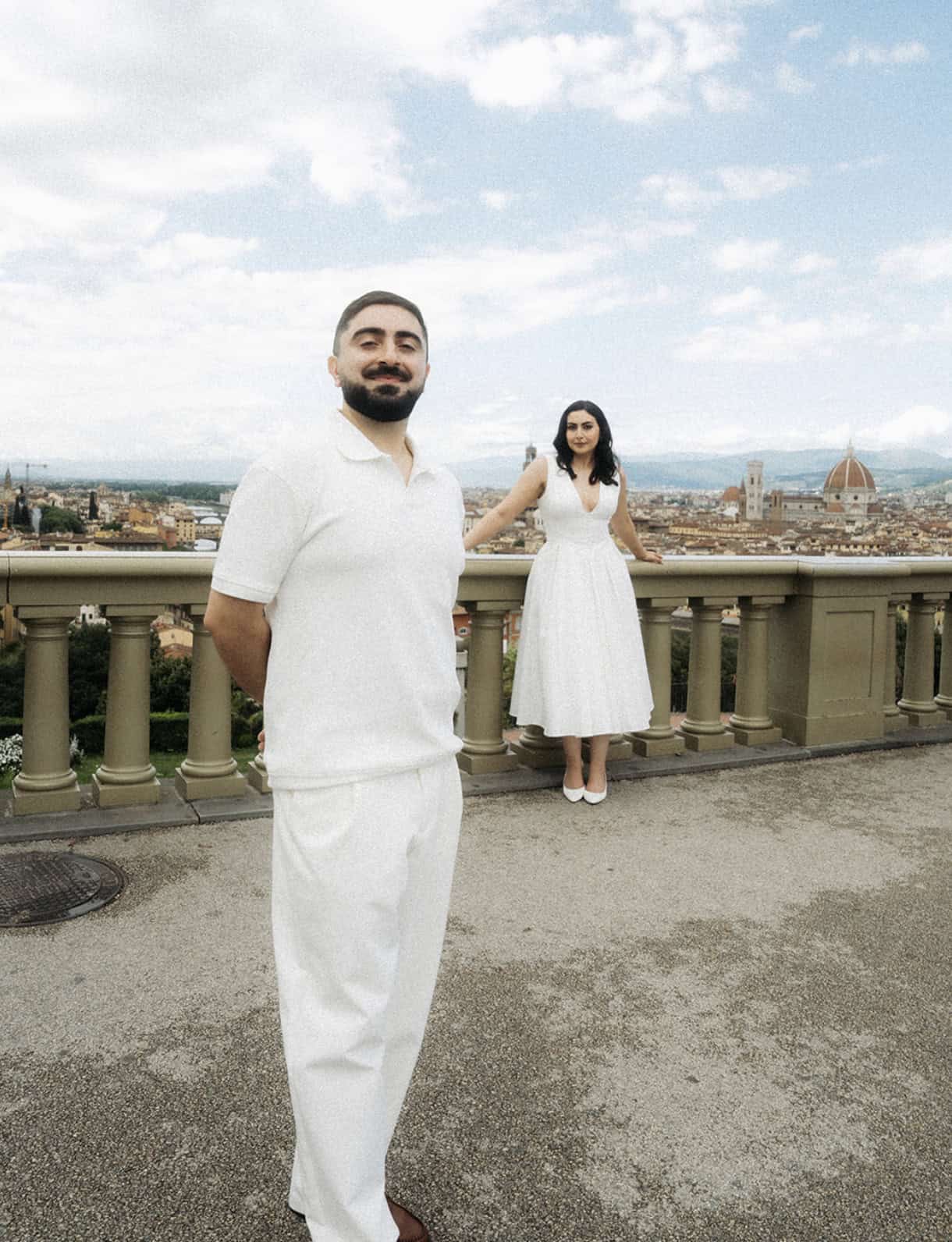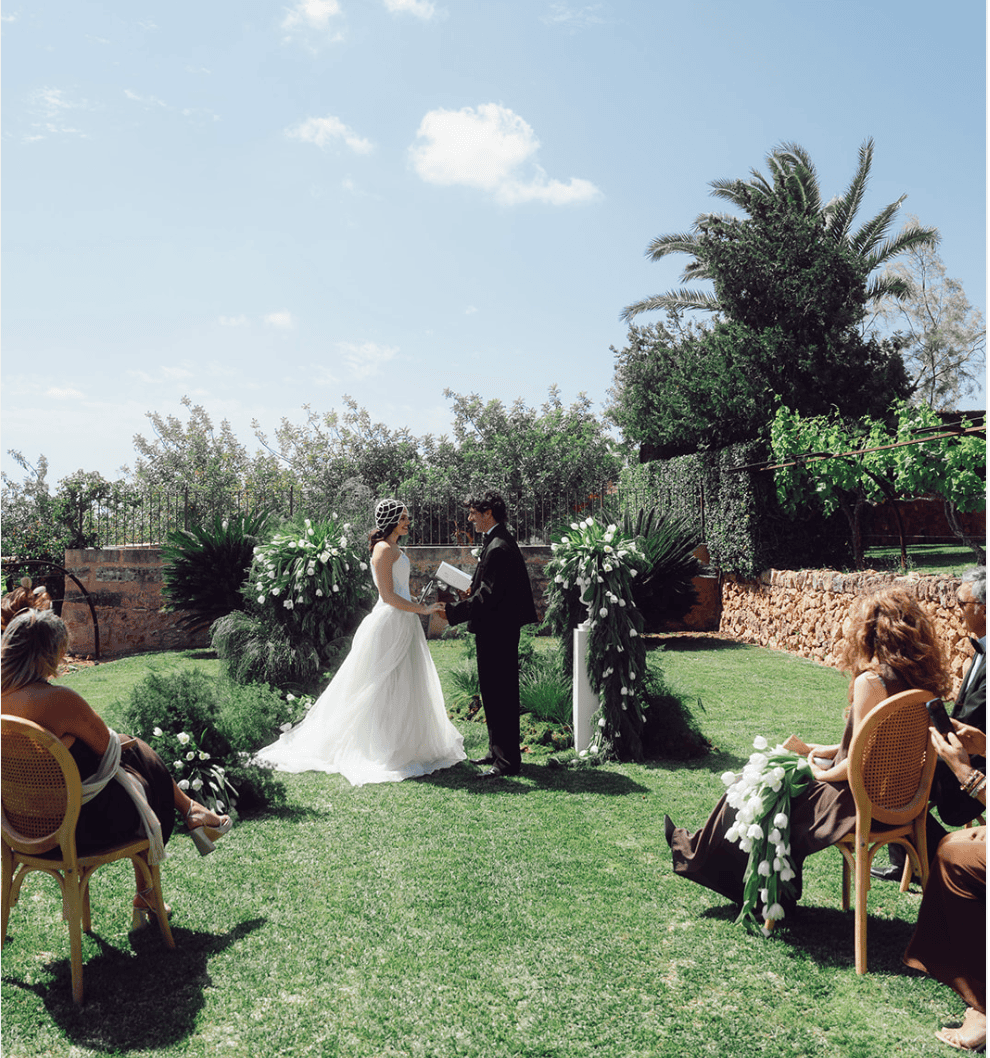
Your Mallorca wedding locations deserve more than harsh afternoon light. Golden hour transforms them into something cinematic.
With over 300 days of sunshine per year, this Mediterranean island offers reliable conditions for that warm, dreamlike glow you want in your gallery. Ceremonies ending around 6:30 or 7:00 PM slide naturally into soft pastel tones that make venues like clifftop Son Marroig look impossibly romantic.
Timing your day around golden hour turns your wedding timeline into an actually enjoyable experience — not just another thing to manage.
Your story deserves light that feels like film.
Here’s how to plan your Mallorca destination wedding around the island’s most magical light.
What Makes Golden Hour Special for Mallorca Weddings
Light behaves differently when the sun drops low. Around 30 to 90 minutes before sunset, sunlight travels through substantially more atmosphere than at midday. This extended journey filters out harsh blue wavelengths and amplifies warm tones. The color temperature shifts from midday’s 5,500K down to roughly 3,500K during golden hour, bathing your Mallorca wedding venues in that soft amber glow you see pinned across wedding boards.
The Science Behind Golden Hour Light
When the sun sits low on the horizon, its rays hit your face at a flattering angle — the kind photographers spend years learning to recreate with artificial lighting. The low position eliminates those unflattering shadows under eyes and noses that plague midday ceremonies. Blue light scatters away while red, orange, and yellow wavelengths reach the camera sensor, creating naturally balanced exposure across your photos without the extreme contrast that ruins outdoor portraits at noon.
The reduced lighting ratio during golden hour means your photographer captures detail in both bright and dark areas of each frame. Shadows become softer rather than turning into black holes. White dresses don’t blow out into featureless patches. The physics work in your favor without any complex lighting equipment — just nature’s own studio setup.
Why Mediterranean Sunsets Create Perfect Conditions
Mediterranean islands sit at a latitude where the sun’s angle creates extended periods of optimal light. The sun rises and sets at lower angles here compared to northern locations, stretching that magical window. Mallorca’s position combines this advantage with nearly year-round clear skies, giving you reliable conditions most other destinations simply can’t match.
The dry Mediterranean air plays a crucial role your wedding photos depend on. Humid regions diffuse light into a hazy, soft-focus effect that lacks definition. Mallorca’s dry atmosphere lets light travel more directly to your camera, producing sharper images with vivid color saturation. Colors pop rather than appearing muted.
The sea itself becomes part of your lighting setup. Water’s reflective surface captures and bounces golden light back toward your venue. At sunset, the Mediterranean transforms into a mirror displaying spectacular colors from deep blue through gold to pink and orange. This natural reflector fills in shadows and adds dimension to portraits taken near the coastline.
How Mallorca’s Geography Enhances Golden Hour
Mallorca’s diverse landscape creates unique opportunities other Mediterranean wedding locations can’t replicate. The Tramuntana mountains, coastal cliffs, and sandy beaches each interact differently with sunset light. From elevated positions, you capture sunsets at considerable altitude, extending your usable golden hour window.
The island’s mountainous terrain actually lengthens golden hour duration in specific areas. When celebrating in mountainous regions, golden hour starts almost 90 minutes before actual sunset to account for the sun disappearing behind peaks before reaching the true horizon. This gives you more flexibility with your timeline.
The combination of rugged landscapes with Mediterranean positioning makes the island particularly conducive to dramatic sunset phenomena. Stone buildings in villages like Valldemossa catch the golden light and glow almost orange. The ochre tones of traditional architecture amplify rather than compete with natural golden hour warmth. Every element of your venue works together instead of requiring strategic positioning to avoid harsh backgrounds.
You get the story and the setting working as one.
Best Mallorca Wedding Venues for Golden Hour Ceremonies
Choosing the right venue determines whether your golden hour photos become portfolio-worthy or just acceptable.
Certain Mallorca wedding venues position you exactly where that warm light works hardest.
Clifftop Locations: Son Marroig and Coastal Estates
Son Marroig sits perched on cliffs along Mallorca’s western coastline between Deià and Valldemossa. The venue’s white Carrara marble temple pavilion faces the Mediterranean directly, creating that iconic ceremony backdrop you’ve seen across wedding galleries.
Couples exchange vows overlooking the sea with views extending to Dragonera Island. The venue accommodates up to 140 guests comfortably, making it workable for medium to larger Mallorca destination wedding celebrations.
Ceremony rental typically starts at 6:00 PM and runs until 2:00 to 3:00 AM — positioning your ceremony squarely within golden hour.
Cap Rocat offers similar clifftop drama from its former military fortress position above the Bay of Palma. The stone architecture glows during late afternoon light, while terraces provide panoramic bay views for cocktail hour. The clifftop church of Portals Nous built in the 1600s features both an interior chapel and rustic outdoor altar where open-air sunset ceremonies unfold against Mediterranean backdrops.
Historic Fincas with Sunset-Facing Terraces
Finca Comassema sits deep in the Tramuntana mountains near Orient, surrounded by almond trees and vineyards. The estate’s expansive grounds allow outdoor ceremonies with views stretching across Mallorcan landscape toward mountain ranges.
The clastra, pool area, and garden each capture sunset differently. The disco terrace above offers unobstructed star and mountain views.
Finca Morneta presents a 13th-century property just 20 minutes from Palma featuring 2,000 square meters of manicured gardens. The venue handles celebrations up to 200 guests across three interior chambers and outdoor spaces.
Son Togores provides multiple ceremony options including a forest setting with a centenary oak tree and a stone clastra that works for either ceremonies or receptions. Son Berga near Alaró combines citrus groves, olive trees, and wide terraces with mountain backdrops.
Finca Binissati offers a holm oak forest setting with options including El Bosque Nupcial, El Patio de Naranjos, and La Clastra Tramunta for different celebration moments.
Seaside Resorts and Beach Venues
The St. Regis Mardavall Mallorca Resort near Palma delivers ocean views, lush gardens, and upscale elegance across multiple scenic ceremony locations. Hospes Maricel carved into cliffs at Cas Català combines modern design with direct sea access approximately 20 minutes from Palma airport.
Private beach venues accommodate intimate gatherings of 20 up to 140 guests — though most Mallorca beaches aren’t legally available for weddings.
Mountain-View Properties in the Tramuntana
La Residencia in Deià surrounds itself with olive groves and citrus orchards, offering Tramuntana mountain views from gardens and terraces. Jumeirah Port Soller positions ceremonies on the Tramuntana Terrace with uninterrupted mountain and sea views.
Ca’s Xorc near Sóller blends 18th-century manor architecture with mountain positioning.
Each venue captures that extended golden hour the mountains provide — because your story deserves more than just a pretty backdrop.
Planning Your Ceremony Time Around Golden Hour
Sunset times shift dramatically across Mallorca’s wedding season. Your 6 PM ceremony works differently in June versus October.
Planning around golden hour means matching your start time to both the season and Spanish cultural expectations.
Ideal Start Times by Season
Late spring and early autumn provide the most forgiving windows. From April to June and September to October, ceremonies starting between 4 PM and 5 PM position you perfectly for golden hour. These months deliver pleasant temperatures alongside increasingly long daylight, with June’s summer solstice pushing sunset to 9:42 PM.
This extended twilight gives you breathing room if your timeline runs slightly behind schedule.
High summer demands later starts due to intense heat. July and August ceremonies should begin at 6 PM or 7 PM to sidestep the strongest afternoon sun. Summer golden hour windows stretch longer than other seasons, occasionally providing up to two hours of gorgeous glowing light. Your guests can sleep later and enjoy leisurely pool time before the ceremony begins.
November through early March flips the script entirely. Winter weddings work best as daytime celebrations starting between 12 PM and 2 PM. The sun sits lower in the sky during winter months, creating naturally diffused light throughout the shorter day. Days end earlier, but the consistently low sun angle delivers softer light for more of that limited daylight period.
Working with Spanish Wedding Schedules
Spanish weddings run later than most European celebrations. This timing stems partly from heat considerations and partly from cultural tradition.
Guests typically arrive 30 to 40 minutes before the ceremony begins. The groom appears 45 minutes early to greet arrivals, while the bride’s mother enters 15 minutes before start time. The bride arrives last, either precisely on time or fashionably late.
Ceremony durations vary based on type. Civil ceremonies run 30 to 45 minutes, while religious ceremonies extend to 60 minutes depending on incorporated readings and traditions. Following the ceremony, guests transition to the reception area over roughly 30 minutes. Spanish receptions separate dining from dancing into distinct rooms rather than alternating between the two.
What to Avoid: The Midday Heat Problem
The hottest segment of any day hits between 12 PM and 4 PM. Peak heat typically occurs around 3 PM, which unfortunately coincides with common wedding start times. Scheduling ceremonies during this window exposes your guests to direct sunlight throughout the entire event.
Midday sun creates unflattering shadows under eyes, causes squinting faces, and produces harsh lighting with extreme bright spots and dark shadows. The overhead angle makes photography challenging even for experienced professionals.
Summer ceremonies scheduled between 5:30 PM and 6:30 PM ensure guests avoid prolonged sun exposure. Starting your ceremony at least two hours before sunset provides soft, romantic light while keeping everyone comfortable.
How Golden Hour Transforms Your Wedding Photos
The difference between golden hour and midday photographs becomes obvious the moment you see them side by side. Your Mallorca wedding venues photograph completely differently depending on when you schedule your ceremony.
Natural Lighting vs Harsh Afternoon Sun
You don’t want wedding photos that require constant squinting.
Midday sun creates unflattering shadows under eyes and noses, causes constant squinting in bright conditions, and requires extensive editing to soften harsh contrasts. The overhead angle produces uneven lighting on faces that highlights every blemish, pore, and imperfection.
Golden hour provides soft, warm, directional light that flatters everyone naturally. The warm color temperature adds natural glow to skin tones, and backlighting creates ethereal, magazine-worthy images without extensive editing.
Photos taken during golden hour remain timeless because lighting quality transcends trends. The soft light wraps around your subjects, reducing harsh shadows and creating beautiful, flattering glow. You get naturally balanced skin tones that reduce the need for heavy editing. Long shadows during golden hour take on artistic qualities that enhance compositions — whether framing your couple or adding visual drama through interplay of tree shadows or architectural structures.
Portrait Opportunities During Cocktail Hour
Cocktail hour timing aligns perfectly with golden hour for portraits. Sneaking away during this window gives you a quiet break from guests while creating stunning sunset photos. Most portrait sessions last 10 to 15 minutes, though some photographers recommend 20 to 30 minutes for more comprehensive coverage.
Your guests remain entertained while you’re still riding the wedding-day high and capturing those magazine-worthy images.
Positioning the sun behind your subjects creates an enchanting backlit glow that adds depth to photography. Slightly overexposing your shot prevents it from turning into a silhouette, allowing photographers to preserve details and create glowing highlights around your silhouettes.
The Magic of Dinner as Twilight Falls
Twilight happens when the sun dips below the horizon and ambient light fills the sky with gradient colors. Photographers call this the “magic 15 minutes” because the sky offers the most majestic colors nature provides.
One day might deliver brilliant blues with hints of orange, while the next brings reds and oranges as clouds reflect light from the sun that has slipped below the horizon. Every minute changes the canvas in the sky, creating naturally stunning backdrops as dinner service begins at your Mallorca destination wedding.
This is when your gallery transforms from beautiful to unforgettable.
Creating the Perfect Golden Hour Wedding Timeline
Building your timeline backward from sunset time keeps your Mallorca wedding venues bathed in optimal light. Start with your sunset time for the specific date and work everything else around that anchor point.
Your day deserves intentional timing — not just hope that everything works out.
Sample Schedule for a 6 PM Ceremony
A 6 PM ceremony creates dramatic evening atmosphere at your Mallorca destination wedding. Here’s how the day unfolds:
- 11:00 AM – Hair and makeup begins
- 2:00 PM – Dress on, getting ready photos
- 3:00 PM – First look and wedding party portraits
- 4:30 PM – Family formals
- 5:30 PM – Guests begin arriving, couple retreats
- 6:00 PM – Ceremony begins
- 6:45 PM – Ceremony ends, cocktail hour begins
- 7:45 PM – Guests move to reception space
- 8:00 PM – Grand entrance and first dance
This schedule positions your ceremony within golden hour while giving you flexibility for sunset portraits during cocktail hour. Completing family portraits before the ceremony frees you to enjoy cocktail hour with guests rather than rushing through photos afterward.
The result? You’re present for your own celebration.
Building in Buffer Time for Sunset Portraits
Add 10 to 15 minutes of buffer between major moments. Ceremonies often run longer than planned, even when you request a specific duration. Hair and makeup typically takes longer than expected, so add an extra 15 minutes to your stylist’s estimate.
Reserve 15 to 20 minutes for golden hour portraits during your reception. This dedicated window lets you slip away while guests enjoy dinner or cocktail hour, capturing those glowing sunset images without disrupting formalities.
Because the best portraits happen when you’re not stressed about time.
Coordinating with Your Photographer and Planner
Share your loose timeline breakdown three weeks before your Mallorca wedding. Your photographer needs this advance notice to provide realistic time approximations for details, family portraits, and bridal party photos.
Planners often print abbreviated timeline cards for the creative team on the actual day. This keeps everyone synchronized without constant checking. Family portraits take approximately 3 to 5 minutes per group shot, so budget at least 30 minutes for 10 group photos.
The goal isn’t perfect timing — it’s confident timing that lets you focus on each other.
Your Mallorca Wedding Story, Told Like Film
Golden hour photography isn’t just a nice bonus for your Mallorca destination wedding. It transforms your entire visual gallery from acceptable to extraordinary.
The island gives you reliable sunshine, dramatic landscapes, and extended twilight windows that most destinations simply can’t match.
Start by choosing your venue based on how it captures sunset light. Build your timeline backward from that golden hour window. Work closely with your photographer to schedule portraits during cocktail hour when light hits its peak.
Your celebration deserves imagery that feels cinematic — not just documented.
With proper planning, you’ll create timeless images that showcase both your love story and Mallorca’s natural beauty at its absolute best.
+ view the comments