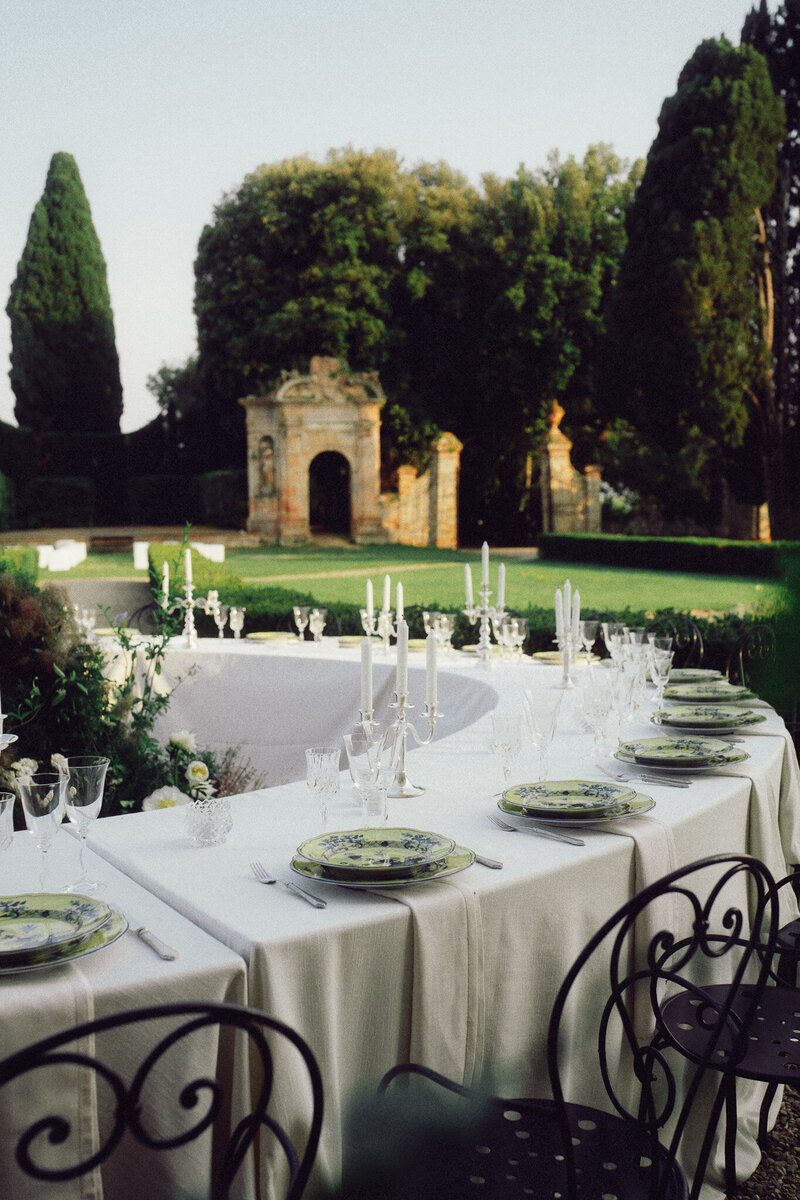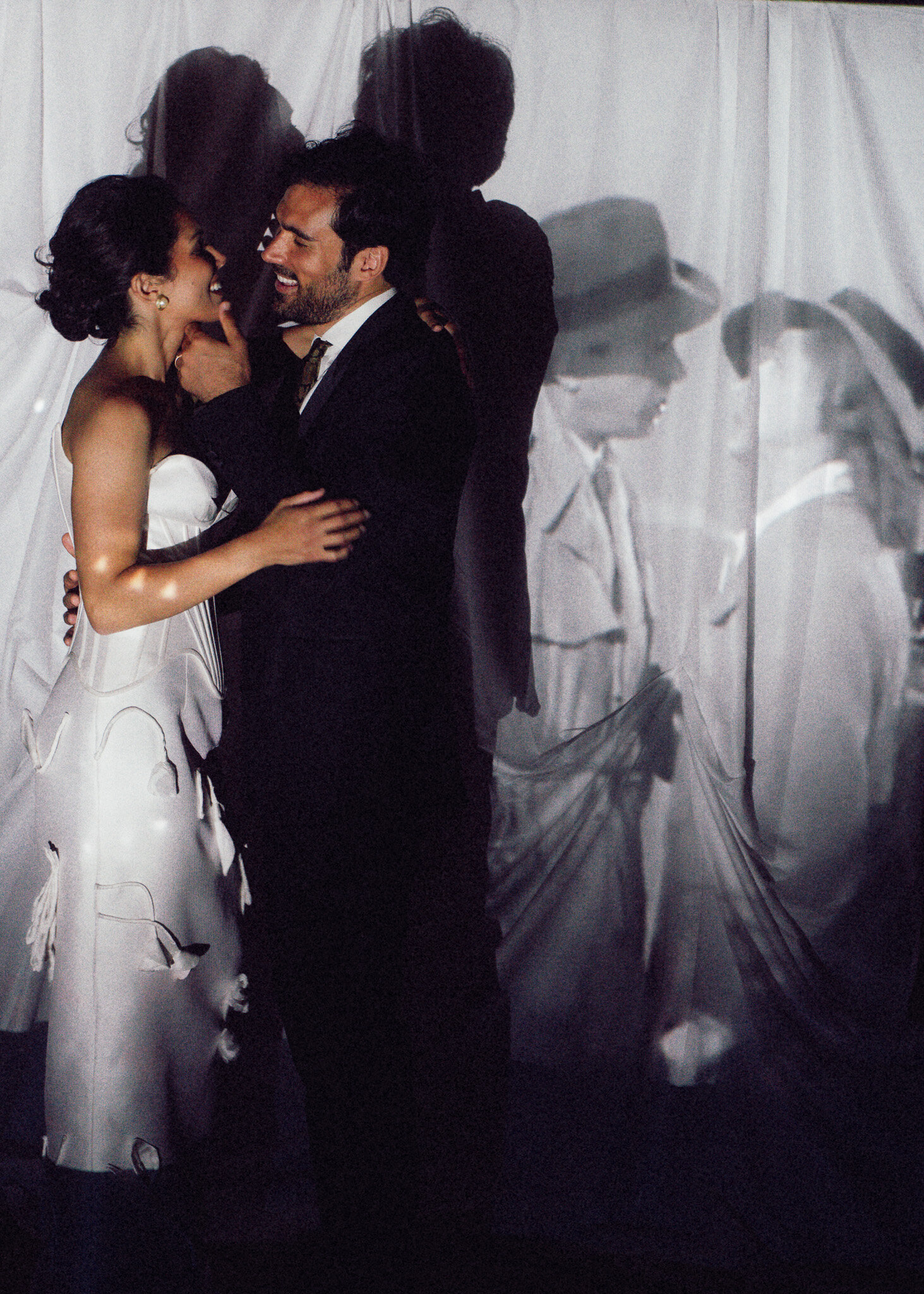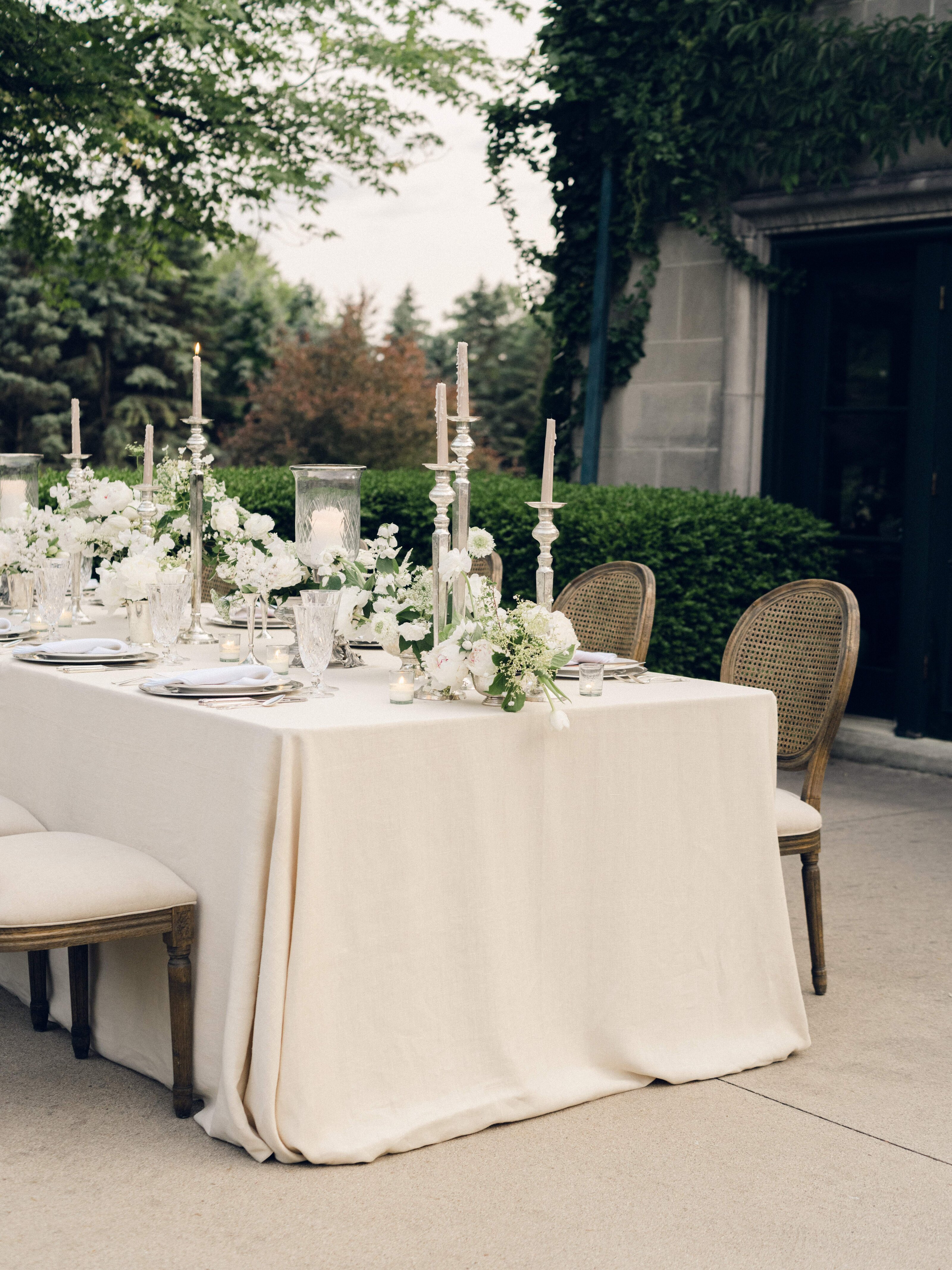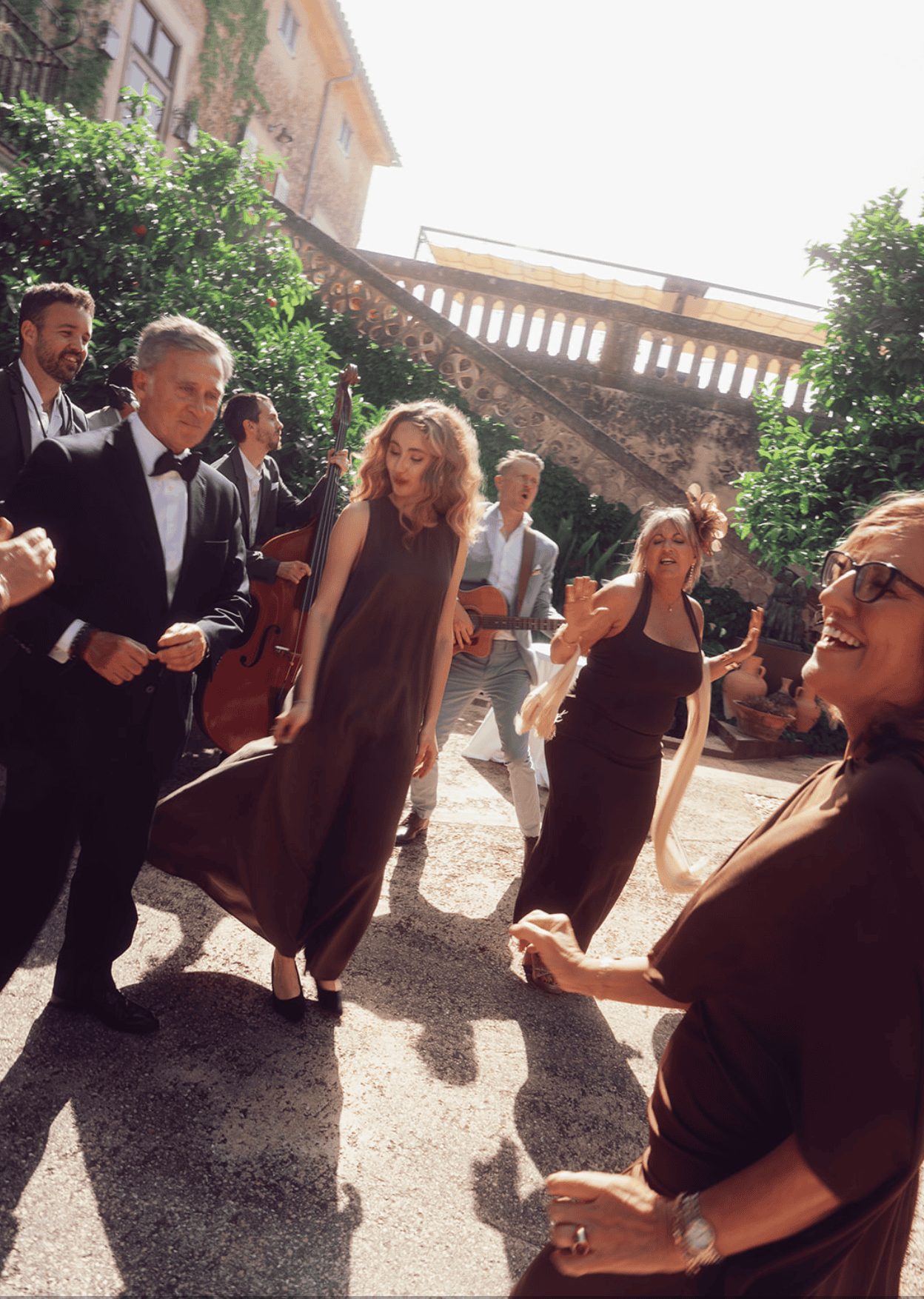
Your destination wedding in Italy asks something extraordinary of your guests — and honestly, about 30% won’t make the journey. Those who say yes are choosing to invest their time, money, and vacation days to celebrate your love story. That commitment deserves more than a basic invitation and crossed fingers.
From accommodation costs running $250–$650 per night to multi-day celebrations across Italy’s countryside venues, your guests need real guidance. Not Pinterest-perfect advice, but practical intel that helps them arrive confident and ready to celebrate.
We’ve captured countless destination weddings across Italy’s most stunning locations. The guests who come prepared? They’re the ones fully present for every moment — from aperitivo under Tuscan olive groves to dancing until midnight at lakeside villas.
This guide covers everything your US travelers need before they board that plane. Because when your guests know what to expect, they can focus on what matters: celebrating you.
The Invitation Timeline — What Actually Happens
Save the Date Reality Check
Italian destination wedding save-the-dates land in your mailbox 8-12 months early. Peak season weddings in Tuscany or along the Amalfi Coast? Expect them closer to that 12-month mark. Couples know you need serious lead time to block vacation days and start budgeting.
The formal invitation follows 4-6 months later. Use this window wisely — research flights, calculate costs, and have honest conversations about whether this trip fits your budget. When that invitation arrives 10-14 weeks before the wedding, read every detail immediately. Hotel blocks are already secured. Vendor contracts are signed. Your response affects real deadlines.
Your RSVP Matters More Than You Think
Destination wedding RSVP deadlines hit 8-10 weeks before the celebration — not the casual 3-4 weeks you’re used to stateside. Italian venues demand deposits 90+ days out, and your yes or no directly impacts room availability, group transportation, and even the final headcount for hand-rolled pasta.
Late responses create expensive problems. Hotel room blocks get released 4-6 weeks before events, leaving stragglers paying premium rates for last-minute bookings. If you’re genuinely unsure about attending, tell the couple now. They’d rather adjust plans early than scramble later.
Silence isn’t an option here. Communicate your decision clearly, and if plans change, update them immediately.
Travel Details — Share Everything
Said yes? Perfect. Now share your flight details with their wedding coordinator immediately. They’re orchestrating group transfers from Rome or Florence to countryside venues where taxis don’t exist. Knowing your arrival time helps them arrange shared transport — which costs significantly less than solo rides through winding Tuscan roads.
Financial transparency prevents awkward surprises. Most couples cover venue costs, wedding day meals, and transportation between events. You handle flights, accommodation, and personal expenses. This isn’t traditional wedding etiquette — it’s destination wedding reality. Get clarity before you commit, not after you land.
Plus One Protocol
Destination wedding plus-one rules differ completely from local celebrations. Married couples, engaged pairs, and long-term relationships get automatic plus-ones. Wedding party members typically receive them regardless of relationship status.
Single guests face different scenarios. Traveling solo to a multi-day celebration where you know nobody? Couples often extend plus-ones for comfort. But Italian venue capacity creates real constraints — those invitation envelopes tell you everything. Your name alone means solo attendance. “And guest” means bring someone.
Receiving a plus-one? Tell the couple exactly who’s coming, especially if the name differs from their expectations. Friend instead of romantic partner? Totally acceptable when explicitly offered — just confirm to avoid seating chart chaos at intimate villa receptions.
Questions about plus-ones? Ask before that RSVP deadline hits. Italian venue contracts include strict headcount limits that can’t bend last-minute.
The Real Cost of Saying Yes
Accommodation — Your Biggest Investment After Flights
Accommodation hits your budget hardest beyond airfare. Mid-range hotels across Italy run $150-$280 per night, jumping 25-45% in Rome, Florence, and Venice city centers. Amalfi Coast or Cinque Terre destinations? Add another 40-60% during high season. Budget conscious? B&Bs start around $80-$140 nightly. Want luxury? Properties begin at $350 and soar past $700 per night.
Most couples arrange discounted room blocks rather than covering your stay outright. Smart approach — you control spending while gaining bulk rates. Some intimate estate celebrations include onsite lodging entirely. Others split costs. Your invitation or wedding website will spell out exactly what financial arrangement applies.
Timing matters. Hotels release unclaimed room block slots 4-6 weeks before events. Book early to lock your rate, then expect deposit or full payment 30-60 days out.
Flight Reality Check
Round-trip US to Italy flights average $428-$800. November delivers the cheapest fares around $459, while June and December spike to $1,506-$1,563. Monday departures beat weekend flights, sometimes hitting $691. Noon departures also trend lower at $583.
Book weeks ahead for around $653, but 9-11 months out often unlocks better rates. New York to Naples takes 8 hours 45 minutes, with 77 daily US-Italy flights as of April 2026.
Factor airport parking, taxis to your departure city, plus Italian airport transfers. These extras add $50-150 depending on distance.
Daily Spending That Adds Up
Beyond accommodation and flights, budget $88-$154 daily per person for food, transport, and activities. Excludes major train routes. Budget travelers manage $55-$77 daily. Luxury preferences? Expect $275+.
Food breakdown: espresso $1.30-$2, cappuccino $2-$3.30, pizza margherita $8.80-$13.20, pasta $12-$22. Restaurant dinners cost $33-$60 per person, house wine $4.40-$8.80 per glass. Gelato — which you’ll crave daily — runs $2.75-$5.50 per scoop.
Local transport averages $32 daily. Activities add $20-$40. Week-long trip including wedding? Budget travelers spend $2,800-$4,000 total, mid-range $5,600-$7,600. These include accommodation, exclude flights.
What the Couple Actually Covers
Couples handle venue, catering, wedding day entertainment. You cover flights, rooms, personal spending. Different from US weddings where guests just buy gifts and outfits.
Expect transportation between hotels and ceremony venues — especially countryside locations where taxis don’t exist. They’ll host welcome dinner, wedding day meals and drinks, often farewell brunch. Everything else — room service, mini-bar, optional excursions — falls to you.
Group activities beyond core wedding events stay optional, never mandatory. Wine tours or cooking classes? They’ll clarify included versus separate payment. Clear communication prevents budget surprises after you’ve committed.
Getting There: Your Journey to Italy
Flight Routes That Actually Work
Direct flights from the US to Italy launch from ten major airports. New York offers the most options with six non-stop routes through American Airlines, Delta, United, and Emirates. Flights from JFK to Rome’s Fiumicino Airport take 8 hours 15 minutes to 9 hours 15 minutes, while Los Angeles to Rome requires roughly 12 hours.
New York passengers fly directly to Rome (FCO) or Milan (MXP) from JFK or Newark. Round-trip fares from New York to Rome start around $623 during off-peak months and climb to $802 for summer weddings. Los Angeles travelers connect through ITA Airways or Norse Atlantic Airways, with limited direct service compared to East Coast departures.
Other major hubs include Atlanta, Philadelphia, Dallas, and Washington Dulles, all operating non-stop service to Rome or Milan. If your home city lacks direct flights, connecting through these hubs adds 2-4 hours to total travel time.
Book 9-11 months ahead when planning a destination wedding in Italy. December offers the cheapest fares, while June pushes prices significantly higher. Monday departures and noon departure times typically cost less than Friday evening flights.
Jet Lag Isn’t Optional — But You Can Win
Italy runs 6 hours ahead of New York and 9 hours ahead of Los Angeles. When you land in Rome at 10 AM local time, your body thinks it’s 4 AM Eastern or 1 AM Pacific.
This gap affects everything about that first welcome dinner.
Sleep during the overnight flight from the East Coast. Reset your watch to Italian time the moment you board, not when you land. Start thinking in local hours before arrival. Stay awake until at least 8 PM on your first day in Italy, no matter how much your body protests.
Fresh air and walking beat napping every time. We’ve watched countless welcome dinners where guests who napped at 3 PM struggled through sunset aperitivos. Those who powered through with afternoon walks? They savored every moment of that first Italian evening.
Hydrate aggressively on the plane and skip the free wine. Consider melatonin or discussing sleep aids with your doctor before departure. Some guests take a sleep aid for the first 3-4 nights to ensure they stay asleep past 4 AM.
Arrive at least two days before the wedding. This buffer lets you adjust before the ceremony — and gives you time to explore when you’re functional rather than jet-lagged.
Between Venues: Why Coordination Matters
Italian wedding venues in Tuscany, Amalfi Coast, or Lake Como sit on winding roads where taxis barely exist. Couples arrange shuttle services between hotels and ceremony locations through private transfer companies. These shuttles run on fixed schedules, picking up guests 60-90 minutes before the ceremony starts.
Expect mini-vans accommodating 6-7 passengers or larger coaches for bigger groups. After the reception, shuttles operate for 2-3 hours, allowing guests to leave after cake cutting or stay for dancing.
Share your accommodation location with the couple early. Coordinators plan efficient routes based on where everyone’s staying.
Airport transfers work similarly. Wedding coordinators book private shuttles grouping guests by arrival times. Flight monitoring systems track delays automatically, so drivers adjust pickup times without frantic calls.
Connect Before You Fly
The couple’s wedding website usually lists who’s attending — making it easy to coordinate shared airport transfers. Splitting a private van from Rome to a Tuscan venue costs less per person than solo taxis through countryside routes.
Communicate your exact flight details to the wedding coordinator 4-6 weeks before departure. They’re building transfer schedules that depend on accurate information. Plans change, but update them immediately rather than assuming flexibility exists day-of.
Group WhatsApp chats help guests coordinate meetups at departure airports or share last-minute gate changes. Guests who travel together from the US often form the closest friendships by the farewell brunch — we’ve seen it happen time and again.
The Multi-Day Wedding Experience in Italy
Welcome Dinner Evening
Italian destination weddings unfold like a story — and every great story needs the perfect opening scene. Welcome dinners at local trattorias showcase regional culture, setting a relaxed, intimate tone before the formal celebration. Aperitivo with Aperol spritz and local wines flows into casual dining, creating those first magical moments where jet lag fades and excitement builds.
We’ve documented welcome dinners that range from rustic pizza parties with long wooden tables under string lights to elegant riverside picnics across from Ponte Vecchio. The setting changes, but the goal remains: breaking the ice and giving your guests their first real taste of Italian hospitality. This evening matters more than you might think — it’s where friendships form and the weekend’s tone gets set.
The Wedding Day Itself
Italian wedding days have their own rhythm. Ceremonies begin between 4-5 PM depending on the month, followed by that essential 90-minute aperitivo with multiple antipasti. Dinner service starts around 6:30-7:30 PM and unfolds over 2.5-3 hours with multiple courses.
Expect at least two first courses, mains, pre-dessert, cake, and around midnight — spaghettata di mezzanotte — simple spaghetti served to revitalize tired guests. Dancing continues until 1-2 AM at countryside venues. The day feels long but never rushed, with each moment flowing naturally into the next.
Farewell Brunch and Goodbyes
Recovery time matters. Brunches start between 11 AM and 1:30 PM, allowing guests to shake off late-night celebrations. Seasonal fruits, pastries, savory dishes, and strong Italian coffee served outdoors create the perfect farewell atmosphere. Some couples add poolside elements or hangover cocktail stations for lighthearted energy.
This relaxed gathering becomes those final precious moments with loved ones before departures — often the most emotional part of the entire weekend.
Free Time and Optional Activities
Between events, couples often organize wine tours, cooking classes, or truffle hunting experiences. These remain optional, never mandatory. Downtime lets guests explore independently — and trust us, they’ll want that flexibility to wander through medieval villages or nap poolside.
What to Wear to Each Event
Welcome dinners call for casual elegance — sundresses or linen suits work perfectly. The wedding itself requires formal attire: floor-length gowns or dark suits. Farewell brunches embrace relaxed, comfortable clothing. Pack layers for Italian evenings that cool down quickly, especially in countryside venues.
Practical Essentials for US Guests
Your Phone and Staying Connected
International plans from AT&T or T-Mobile cost $10-12 per day with your existing number. Skip the daily fees — purchase an Italian eSIM before departure for unlimited data that activates the moment you land.
Download WhatsApp before you leave. Italians use it exclusively for wedding coordination, driver communication, and vendor updates. Hotel Wi-Fi works fine, but those charming café networks? Expect frustration.
Money Matters
Your cards work nearly everywhere — Visa and Mastercard get you through most situations. But cash rules for purchases under €10, especially morning espresso and market vendors. Carry €40-50 in small bills daily.
Avoid those airport exchange kiosks. Use ATMs for better rates.
Language and Cultural Grace
Learn these essentials: “Buongiorno” (good morning), “Grazie” (thank you), “Per favore” (please), and the crucial “Il bagno, per favore?” (where’s the bathroom?). Your imperfect Italian attempts earn genuine smiles. Always greet shop staff when entering — it’s basic respect.
Tipping Without Overthinking
Tipping isn’t expected but always appreciated. Leave 10% for excellent restaurant service if no service charge appears. Tour guides deserve €5-10 per person for half-day experiences. Wedding vendors get tipped in euros, never dollars. Hotel housekeeping receives €2-3 daily.
Packing for Three Days of Celebration
Bring Type C, F, or L plug adapters for 230V outlets. Pack for welcome dinners, formal ceremonies, and relaxed brunches.
Here’s what matters most: comfortable walking shoes. Those countryside venues we mentioned? They sit on cobblestone paths that punish unprepared feet.
Your Guests Deserve This Clarity
Your guests are choosing to celebrate your love story across an ocean. That’s no small commitment — time off work, flights across multiple time zones, and budgets stretched to be part of your Italian celebration.
They deserve more than good intentions and guesswork.
The couples who provide clear, practical guidance? Their guests arrive feeling confident instead of stressed. They’re present for sunset aperitivos instead of frantically googling currency exchange rates. They’re laughing during the spaghettata di mezzanotte instead of worrying about tomorrow’s checkout procedures.
We’ve documented weddings from Tuscan hilltops to Lake Como’s shoreline, and the pattern remains constant: prepared guests become your most joyful attendees. They’re not managing logistics during your ceremony or calculating tips during your reception. They’re fully immersed in your celebration.
Ready to create your own Italian love story? We’d love to discuss how we can document your destination wedding weekend — with the same attention to detail that makes your guests feel completely at ease.
+ view the comments